Degrees of Certainty: Interrogating Heating and Ventilation Before Hiring a UK Training Room
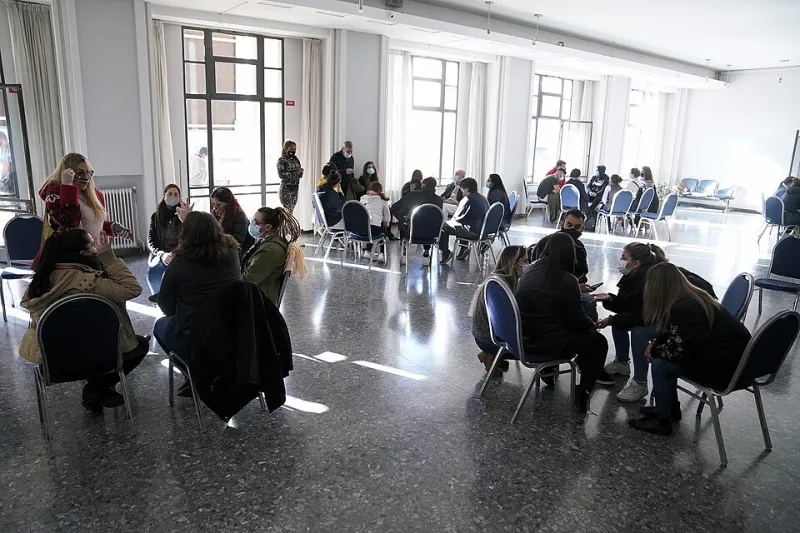
A training room is often selected on the strength of its dimensions, its screen, its natural light and its proximity to public transport. The conditions that occupants actually feel are less frequently discussed. Temperature, air movement and the availability of fresh air sit outside the usual booking checklist, yet they can determine whether a workshop feels alert and purposeful or sluggish and airless by mid-afternoon.
For UK hirers, the issue is particularly seasonal. A room that feels agreeable in June may be overheated in January, especially where heating is controlled centrally and windows are sealed. The reverse can also apply: a historic room with generous sash windows may be charming in summer and uncomfortably draughty in winter. Neither condition is necessarily disqualifying, but both deserve to be established before the booking is confirmed.
Why thermal comfort belongs in the booking conversation
Thermal comfort is not a luxury consideration. It affects how readily participants engage, how long they can remain seated without discomfort and how easily a facilitator can maintain the energy of a session. A room that is too warm can encourage drowsiness; a room that is too cold can distract attention towards coats and draughts. Stale air produces a similar effect, particularly in densely occupied rooms where doors and windows remain closed for long periods.
The practical difficulty is that responsibility for these conditions is often divided. A venue may provide the room, the heating system and the ventilation, but the hirer brings the occupancy pattern, the timetable and the activities. A room designed for a seated lecture may perform poorly when arranged for group work, movement between tables and a full day of occupancy. The booking enquiry should therefore establish not only what systems exist, but how they are operated and who can intervene if conditions drift.
The three controls: generation, distribution and authority
When assessing a room, it helps to think in three layers. The first is generation: what provides heat or cooling, and is it capable of responding to the season? The second is distribution: how does that air reach occupants, and are there known cold spots, solar gain or stagnant corners? The third is authority: who can adjust the system on the day, and how quickly can they respond?
Many UK training venues rely on a building management system that serves several rooms at once. In such cases, the thermostat on the wall may be a sensor rather than a control, or it may be locked behind a cover. Hirers should ask directly whether local adjustment is possible, whether the venue can alter set points remotely and what happens if a request is made during a session. A room with excellent heating plant can still disappoint if no one is authorised to adjust it.
Winter rooms: questions to settle before signing
Winter bookings merit specific scrutiny. The following questions are a useful starting point for any UK training room enquiry.
- What temperature is the room normally held at during occupied periods, and is that set point fixed or adjustable?
- When does the heating come on before a morning start, and does the schedule account for weekend, evening or out-of-hours hire?
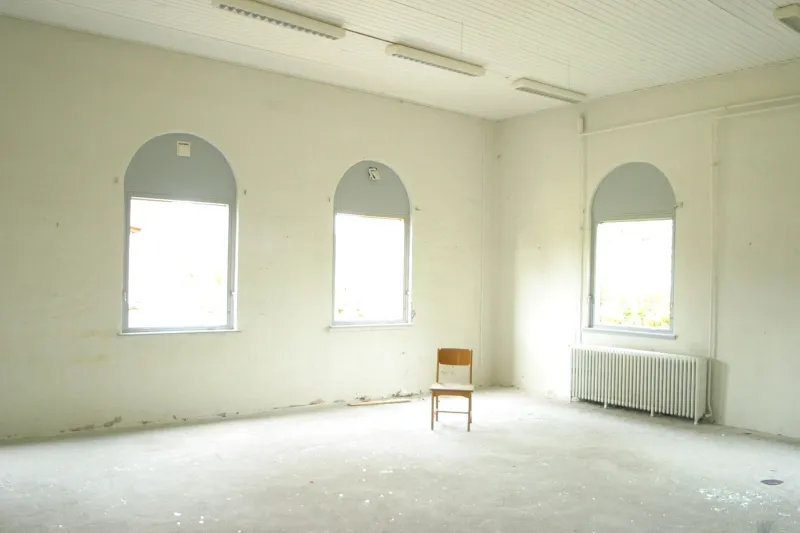
- Are radiators fitted with local controls, and are they accessible to the hirer or locked to prevent adjustment?
- Are there known cold spots near windows, external doors or unheated corridors, and can additional heating be provided if required?
- How is fresh air introduced in winter, particularly when windows remain closed for noise or security reasons?
- Is there any cooling or mechanical ventilation available in unseasonably warm spells, or is the room dependent on opening windows?
These questions are not intended to imply that every room must offer individual control. Many well-run venues manage environmental conditions effectively from a central point. The purpose is to establish the arrangement in advance, identify the correct contact and avoid discovering at 10am that the only available remedy is to wait for a facilities team to arrive.
Sealed windows, listed buildings and constrained rooms
Some of the most distinctive UK training rooms sit within listed buildings or older commercial premises. Sash windows may be painted shut, secondary glazing may limit ventilation, and original features may make mechanical alterations difficult or impossible. In such rooms, the absence of openable windows is not automatically a defect, but it does place greater weight on whatever mechanical ventilation exists.
Hirers should ask how fresh air is supplied, whether the system is filtered or simply recirculated, and whether it operates outside the main heating schedule. If portable cooling or ventilation units are offered, it is worth establishing where they can be positioned, whether they introduce noise and whether they require drainage, power or an open window. A unit that cannot be used without compromising security or causing disruption is of limited value during a workshop.
For rooms with sealed windows, the viewing visit should include a direct question about stuffiness at full occupancy. If the venue has a carbon dioxide monitor, ask whether readings are taken and what level triggers additional ventilation. Even where no monitor is installed, the question signals that air quality is part of the hiring brief rather than an afterthought.
Reading the room on a viewing visit
The viewing visit remains the most reliable way to test environmental conditions, provided it is conducted with a little care. A room viewed empty at 3pm on a quiet Tuesday may feel very different when filled with twenty participants on a cold morning. Where possible, ask to see the room while it is in use, or at least at a comparable time of day. Notice whether radiators are running, whether vents are audible, whether windows are open and whether staff seem accustomed to adjusting the environment.
It is also worth observing the room's orientation and glazing. A south-facing room with limited shading may overheat in low winter sun, while a north-facing room may feel colder than the building average. These are not reasons to reject a venue, but they are reasons to ask how the venue manages them.
Putting the arrangement in writing
Once the conditions have been discussed, the agreed position should be recorded. A short environmental note in the booking correspondence can cover the normal occupied temperature range, the pre-heating arrangements, the availability of local control, the ventilation method and the contact to use if conditions become uncomfortable. This need not be contractual in tone, but it should be clear enough to prevent later disagreement about who was responsible for what.
Training room hire is ultimately the hire of an environment, not merely a floor area. By treating heat, fresh air and control as part of the specification, UK hirers can reduce the risk of a day that looks well planned on paper but feels oppressive in practice. The questions take little time to ask; the answers are considerably easier to obtain before the room is full.